
Public Clues About West Melbourne Neighbors
A block lookup combines land, record, and community sources. BCPAO MapView shows which parcels touch a known lot. Property Search supplies each parcel’s owner, physical situs, tax-mailing address, and basic land facts. Recorded deeds and declarations add transfers and subdivision rules. None of those sources is a complete block roster, so the source must stay attached to each conclusion.
| Source | What It Shows About a Block | Access |
|---|---|---|
| BCPAO MapView | Parcel outlines, blocks, subdivisions, aerials and nearby sales | Free map; click parcels one at a time |
| BCPAO Property Search | Owner, situs, mailing address, parcel and exemption clues | Free owner, address, account or parcel search |
| Clerk Official Records | Deeds and declarations tied to owners or legal descriptions | Free index from 1981; older records by request or counter |
| Public voter extract | Only lawfully released fields for registered voters | Request from Brevard Supervisor; exemptions and omissions apply |
| Association filings | Corporate officers, registered agent and recorded declarations | Sunbiz and Clerk indexes; not a member list |
| City meetings | People who chose to speak or join public proceedings | Agendas, minutes or Chapter 119 request |
The owner shown on the tax roll may not live at the situs. A matching mailing address or homestead exemption supports an owner-occupancy theory, but it does not prove it. Renters, relatives, children, and other household members often do not appear. Start with the land record, then label every name accurately as an owner, officer, voter, license holder, or public participant rather than calling each person a resident.
Map West Melbourne Blocks by Parcel
The BCPAO MapView makes the immediate block visible. Search the subject account or open the map from a Property Search result. Turn on parcels, blocks, subdivisions, and labels as needed. Sales-year layers can flag nearby transfers, while aerials and measure tools show spatial context. Map lines are informational and do not replace a survey.
- Find the known address in BCPAO Property Search and save its seven-digit account and parcel ID.
- Center that parcel in MapView. Click every adjoining polygon, including lots behind the subject parcel.
- Open Details for each lot. Record the account, owner, situs, mailing address, legal description, and source date.
- Use Zoom and Measure to test proximity. Add subdivision, block, aerial, or sales layers only when they answer a clear question.
- Check the recorded deed or declaration when ownership or community boundaries need official confirmation.
Map labels are shortcuts. The Details page and recorded image are the evidence. Save the date and layer list because BCPAO publishes actively refreshed aerial, parcel, city-boundary, subdivision, and situs data. For a complete named-road workflow, switch to the West Melbourne street directory.
Note: MapView has no verified public resident-radius export, so a sound neighbor search requires one parcel click and one source check at a time.
Owners Are Not All West Melbourne Neighbors
Property Search is strongest for ownership and land facts. Its tabs support owner, address, account, parcel, subdivision or condominium, and sales criteria. A result may show owners, mailing address, situs, values, exemptions, sketches, building traits, transfers, and links to MapView. It cannot identify every person on the block.
The distinction matters across a whole block. A parcel held by a trust or company may show a mailing address far from West Melbourne. A person named as owner may have relatives or renters at the situs. A parcel can even have no assigned situs while still having an account, owner, sale, and map position. Never fill those gaps with guesses.
- Situs
- The physical address assigned to the assessed parcel.
- Mailing address
- The address used for owner tax correspondence, which may be elsewhere.
- Parcel
- A mapped unit of land with an account and legal identity.
- Homestead clue
- An exemption consistent with owner occupancy, not proof of every resident.
West Melbourne Neighbor Community Records
West Melbourne includes named subdivisions and planned communities, but the city does not publish a verified umbrella directory of associations or residents. Search a subdivision declaration in the Brevard Clerk’s Official Records, then search the association name in Sunbiz. That joins land restrictions to a current corporate filing without treating private membership as public.
| Community source | Public information | What it cannot establish |
|---|---|---|
| Recorded declaration | Legal name, land scope, restrictions and amendments | Current occupants or every member |
| Sunbiz filing | Entity status, registered agent, officers or managers, filing address | A person’s home or residence |
| City agendas and minutes | Named applicants, speakers and public participants | A full block roster |
| Private group directory | Information shared under the group’s own rules | Permission to republish the roster |
Congregations, veterans posts, lodges, block-watch groups, and neighborhood organizations may preserve current or historic lists. Seek repository permission. Gate logs, utility accounts, delivery data, and private member lists are not public neighbor rolls.
Voter Limits Around West Melbourne Blocks
The Brevard “My Voter Status” service authenticates one voter. It is not a tool for browsing a West Melbourne street. Florida registration information is generally public under section 97.0585, but Social Security numbers, driver-license or state-ID numbers, signatures, and protected information are exempt. Ballot choice is secret.
A lawful public-file request can specify West Melbourne geography, a snapshot date, fields, format, and delivery method. Ask the Brevard Supervisor of Elections for a fee estimate and exemption review. The resulting file still omits unregistered adults, minors, noncitizens, and protected voters. An inactive status may reflect list maintenance rather than proof that a person moved.
Use voter data only for the narrow fact it supplies. Do not republish a full birth date simply because the self-service form uses it to match identity.
Compare West Melbourne Lookup Sources
Official sources are narrower but easier to interpret. A property appraiser identifies an owner and parcel. The Clerk identifies recorded parties. A licensing board identifies a credential and public contact. Commercial compilation tools blend public and marketing data, may merge people with the same name, and can lag after a move.
| Source type | Best use | Main limit |
|---|---|---|
| Official parcel and deed records | Confirm land ownership and recorded transfers | Owners are not necessarily occupants |
| Official voter or license records | Confirm one defined public status | Exemptions, authentication and address-type limits |
| Commercial compilations | Generate a lead to verify elsewhere | Stale addresses and merged identities |
Keep a source URL and retrieval date beside each fact. Correct an error with the custodian that holds the underlying record. Removing a copied listing does not change the official source.
Verify Public West Melbourne Affiliations
A name linked to the block may also appear in a public professional or business record. Those records can separate same-name people, but the address may be an office, mailing contact, or registered-agent location. It should never be relabeled as a home.
The Florida professional license search offers name, license type, city, county, and status filters.
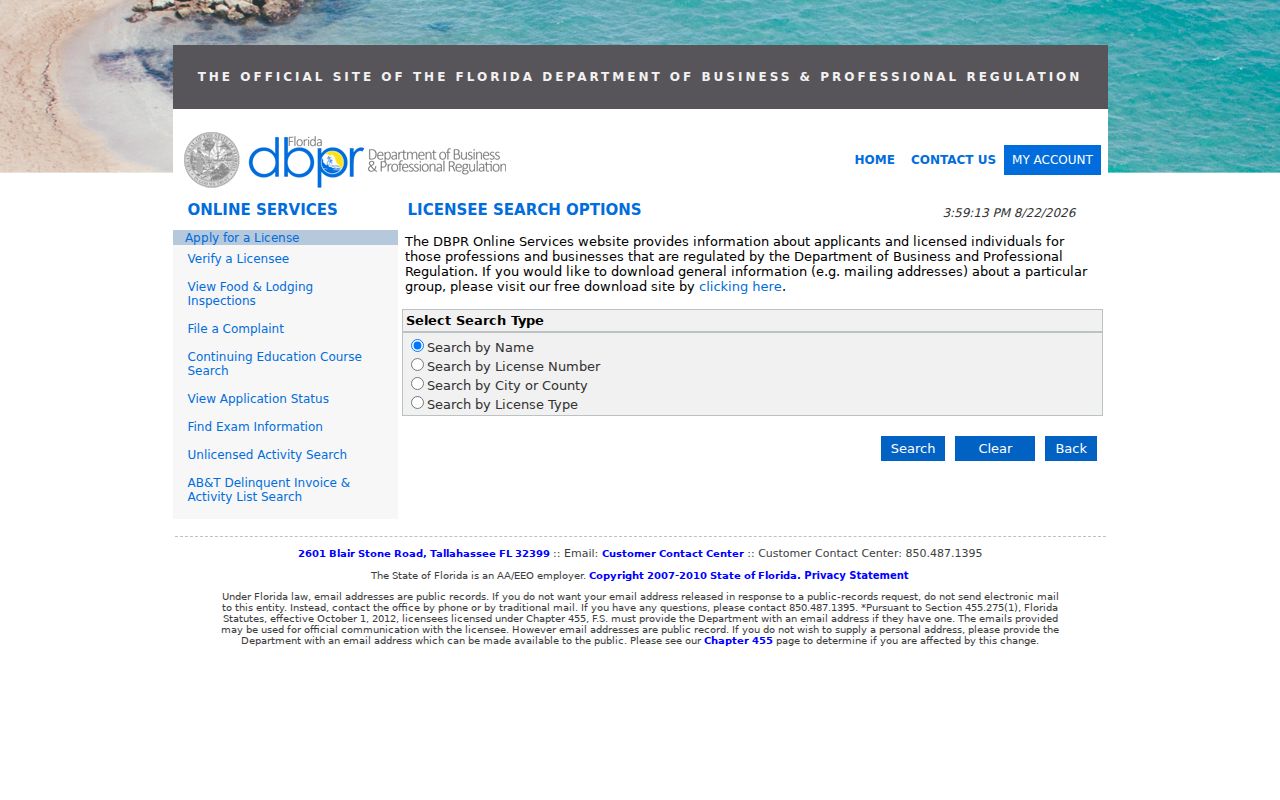
A result can confirm credential status and public contact details, not who occupies an adjacent house.
Health practitioners use the Florida MQA search, which supports name, profession, license number, and location fields.
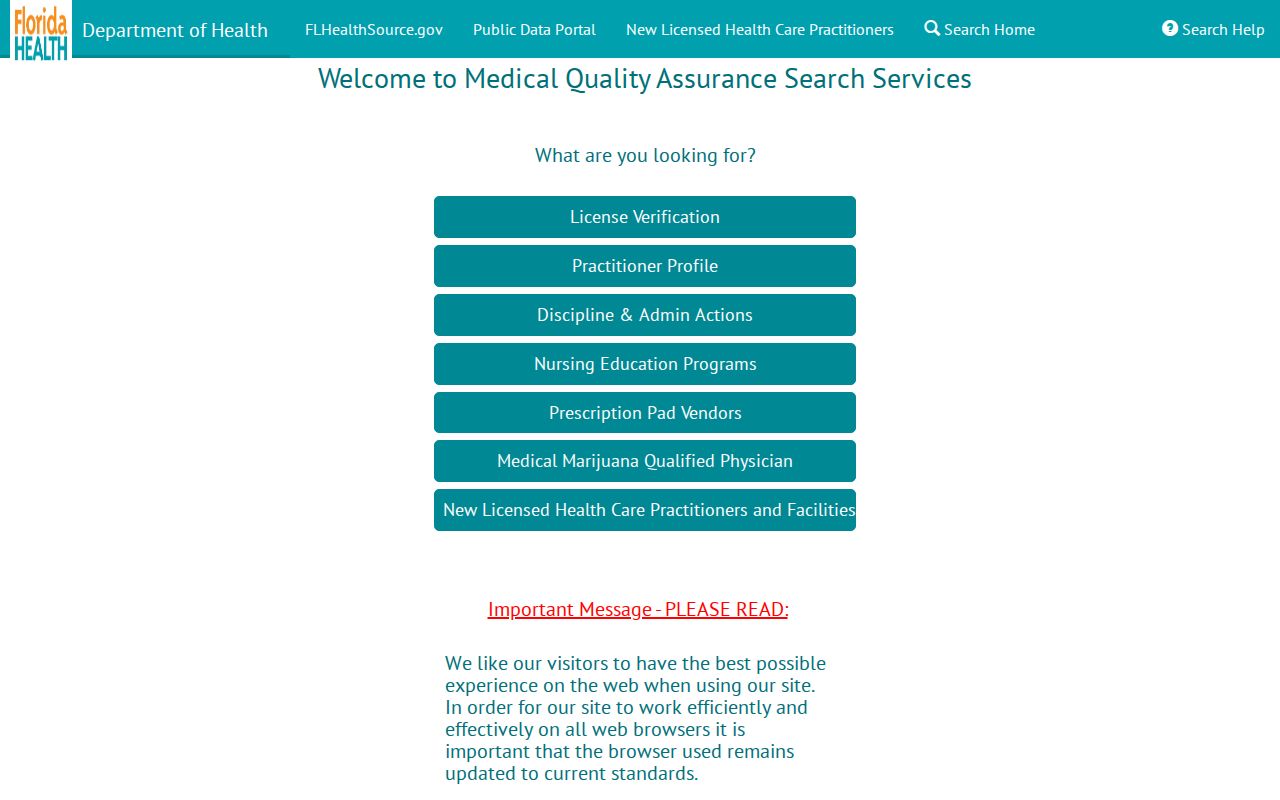
Pair a license number with a second official fact when a common name produces several possible matches.
Safety Records Near West Melbourne
Public-safety searches require care. An arrest charge is an accusation, not a conviction. Florida correctional records cover state custody, not a list of all people near a home. Confirm identity with an official number and dated status rather than a name alone.
The Florida Department of Corrections search is the official statewide route for correctional records.
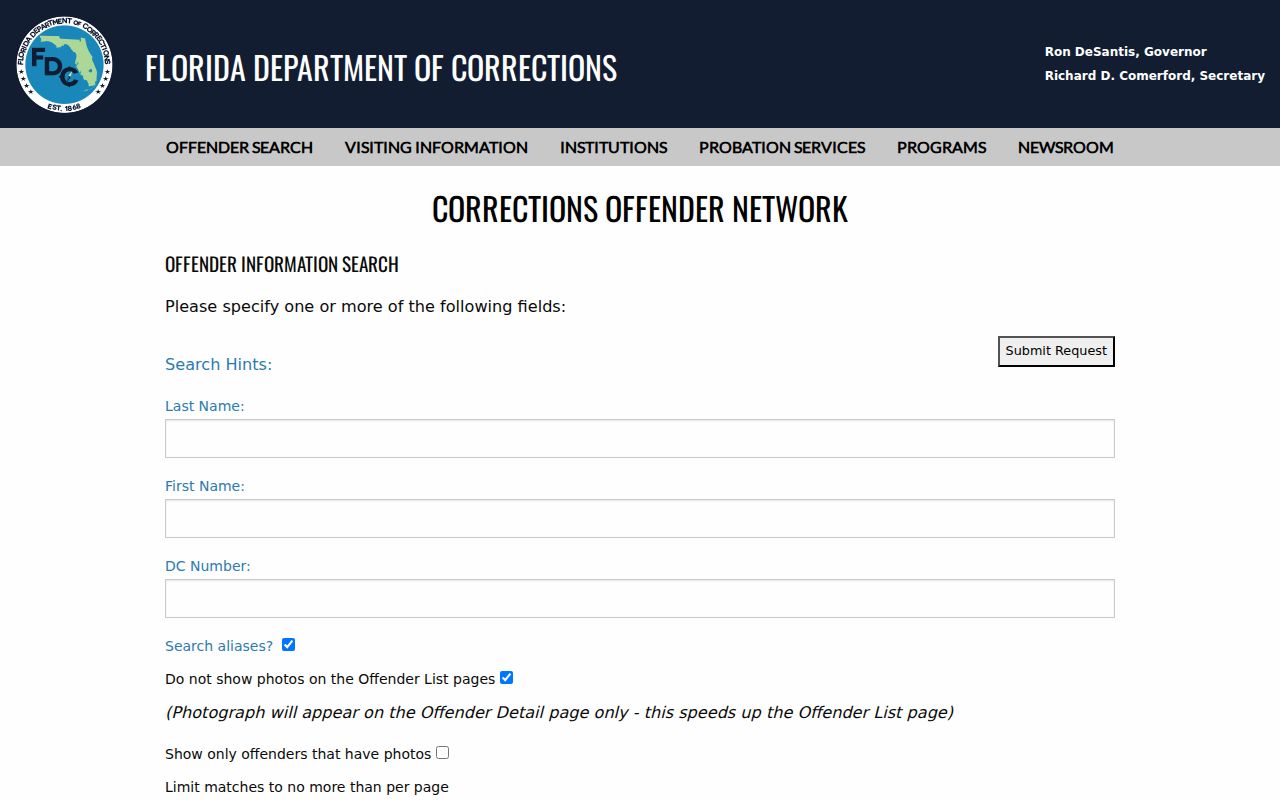
Its scope is custody and corrections. It does not identify a general neighborhood population.
Florida’s official offender registry has name and geographic search modes with statutory warnings. Use it only for lawful safety awareness, confirm the reported address and status on the official result, and never contact or harass a listed person.
Reconnect Through Verified Public Clues
Older neighborhood ties may surface through probate, obituaries, yearbooks, association history, or unclaimed property. These sources are useful for reconnecting with former neighbors or finding an estate contact, but each has its own scope. An unclaimed-property match shows a possible claim, not current residence.
The official Florida Treasure Hunt provides a free state search and claim route.
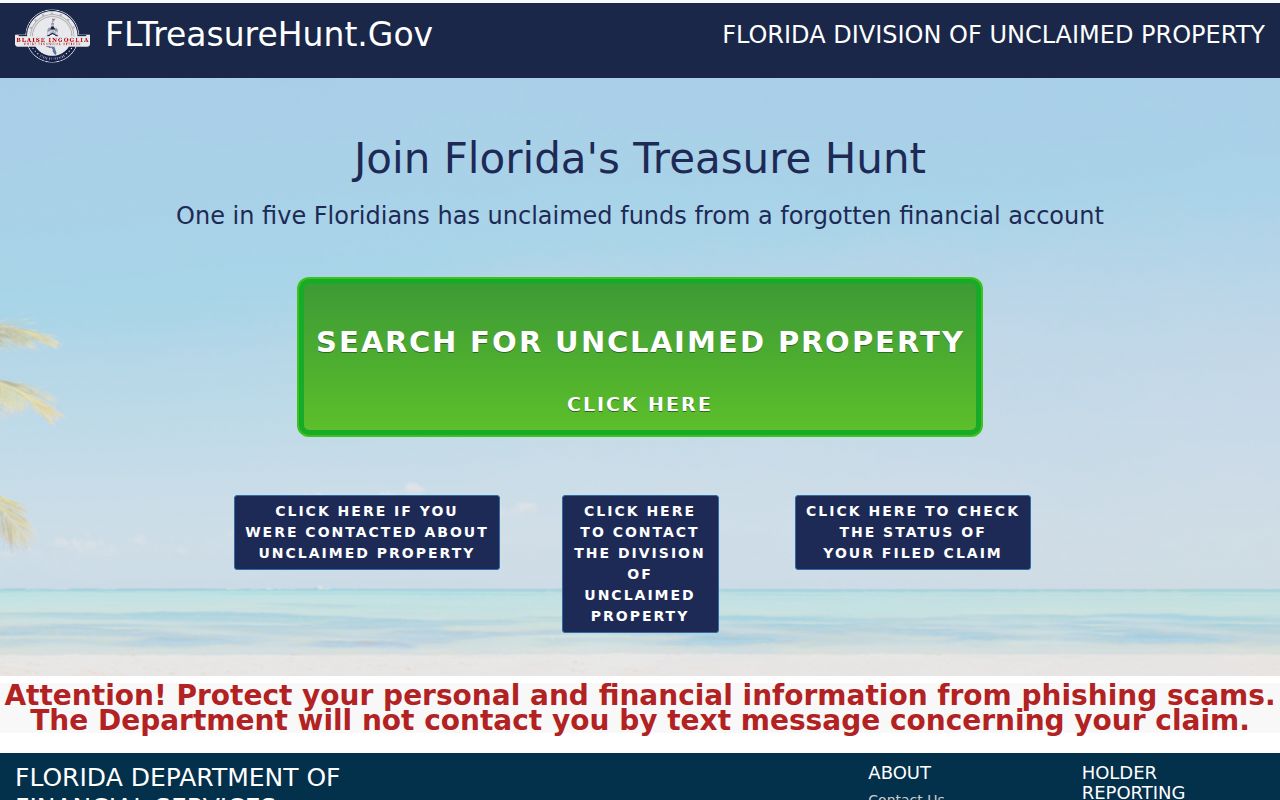
Verify the owner and claim directly with the state before paying anyone who offers to recover funds.
Protect West Melbourne Neighbor Privacy
Florida’s broad public-record law contains many specific exemptions. The Attorney General Address Confidentiality Program supplies a substitute mailing address for eligible victims. Section 119.071 also protects specified information for qualifying officials and other covered people. A missing address may therefore reflect lawful protection, not a bad search.
Recorded images can be redacted or withheld while a basic index remains public. Voter signatures and specified identity numbers are exempt. Private HOA rosters, utility customers, gate logs, congregation lists, and delivery records are not public resident directories. Stop when a source requires evading access controls or exposing protected data.
Lawful use. Neighbor research is for civic curiosity, reconnecting, and personal safety awareness. Never use public records to watch, harass, threaten, intimidate, or harm anyone.
Florida stalking and cyberstalking law appears in section 784.048. Public availability does not grant permission to impersonate someone, evade a protected-address program, or republish private details. The safest block record is a narrow, sourced note that states exactly what the custodian confirmed.